

Community Life
...let us love one another in the heart of our Mother.
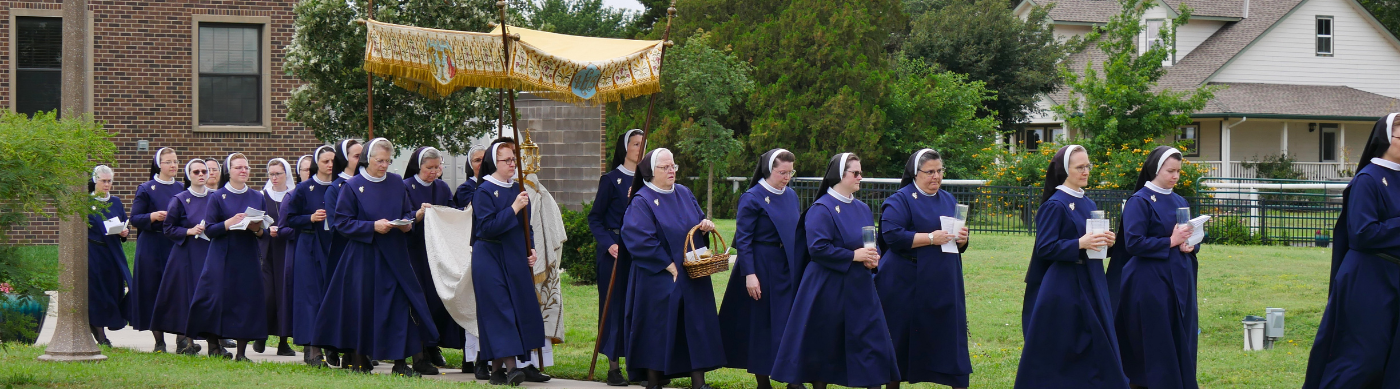
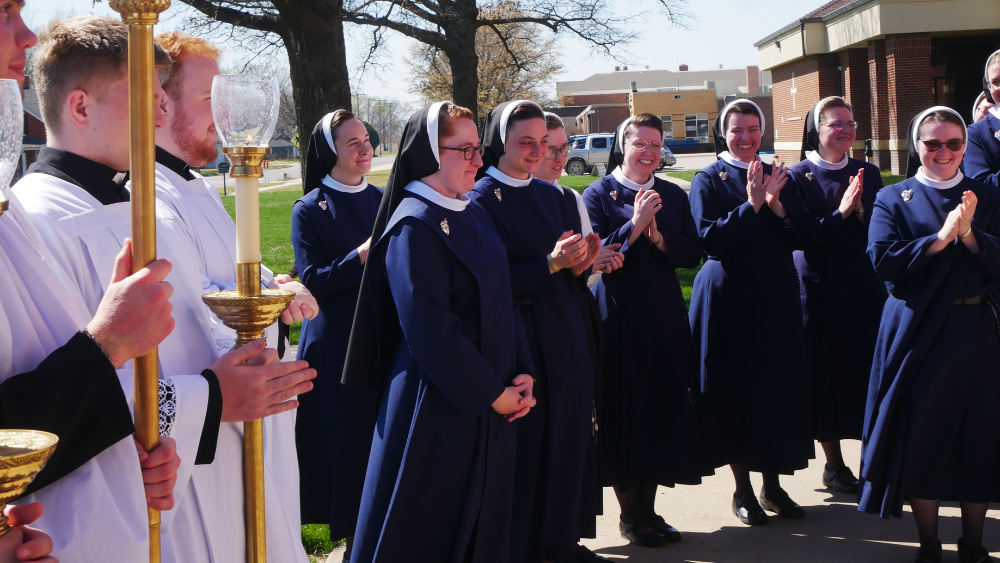
The community life of a religious family flows from the religious consecration of its members. The term 'community life' does not merely mean living in the same residence for the convenience of common prayer or a common apostolate. It first entails the spiritual dimension of fraternal communion, which arises from hearts animated by charity. Fraternal life lived in community is a "Schola Amoris," a School of Love, "in which all learn to love God, to love the ... sisters with whom they live, and to love humanity" (John Paul II, General Audience, December 14, 1995).
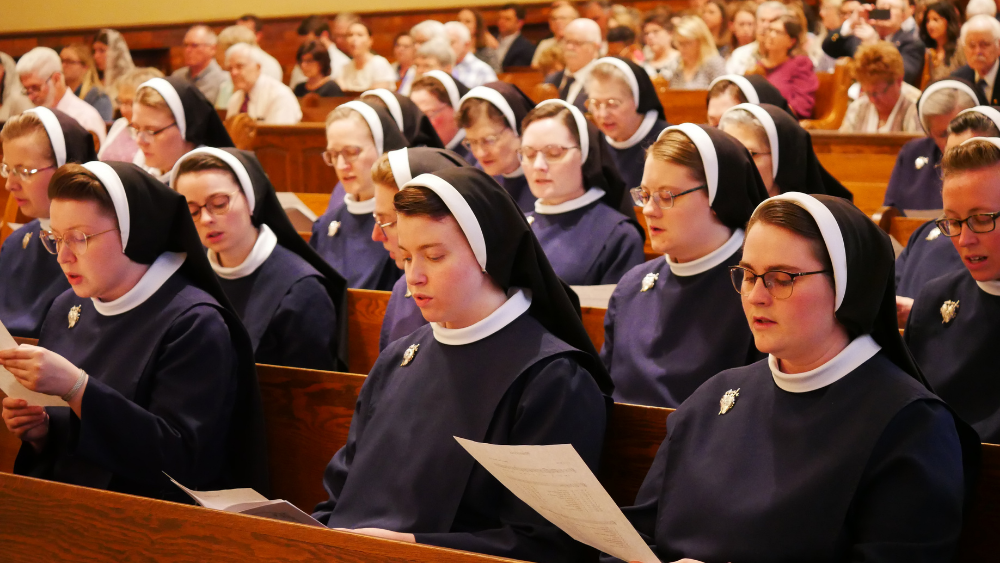
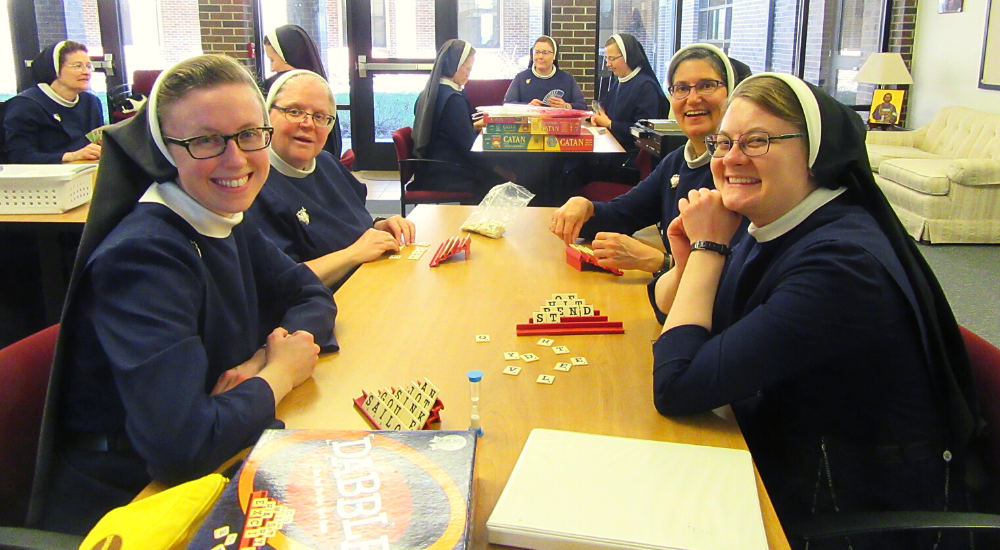
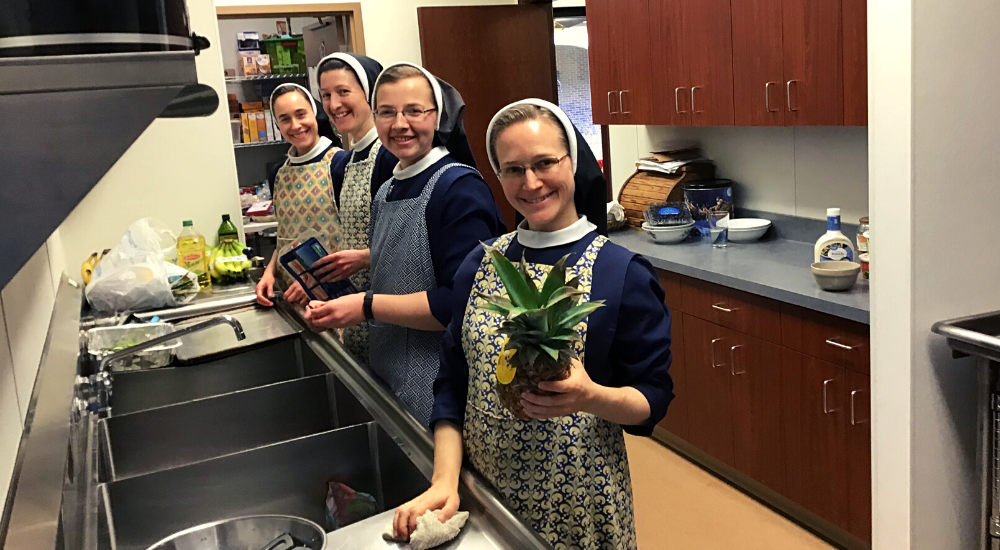
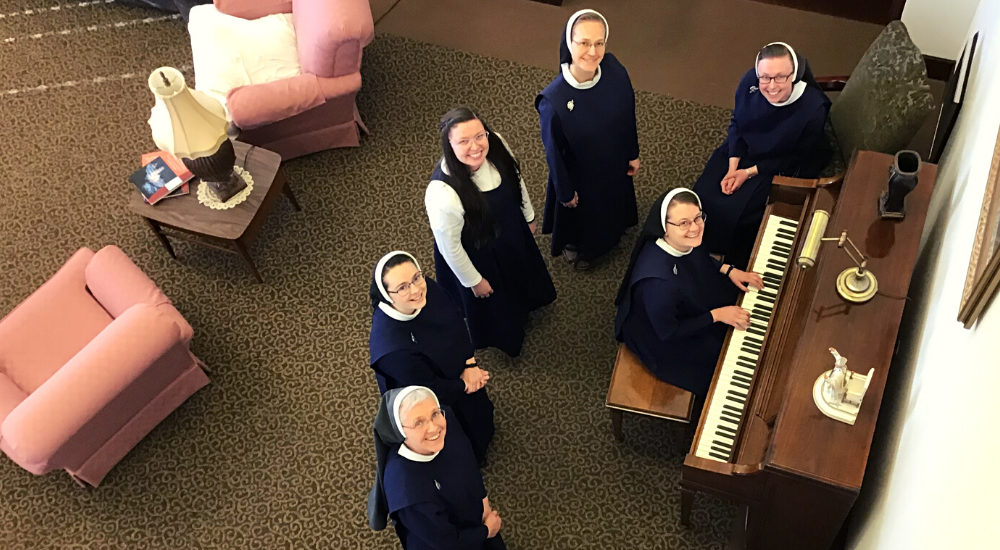
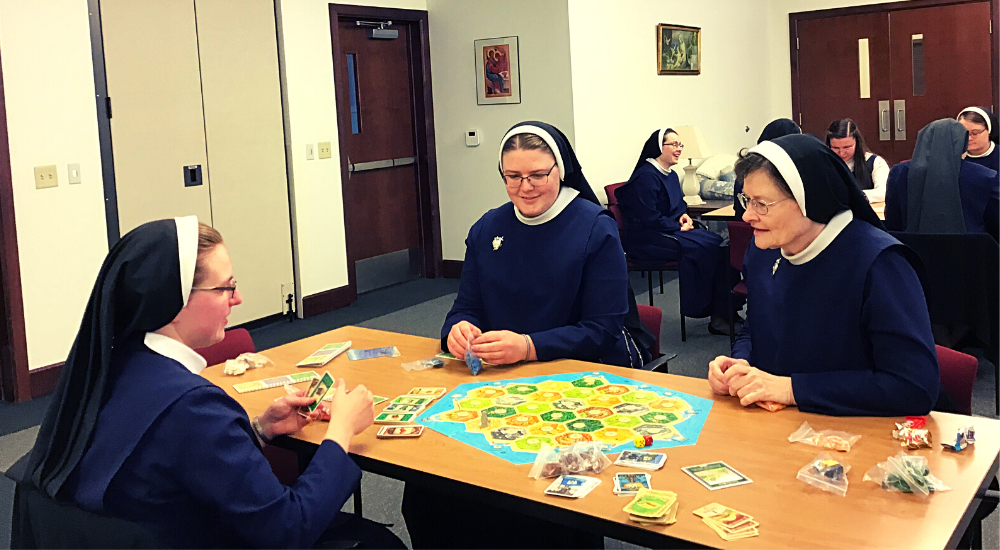
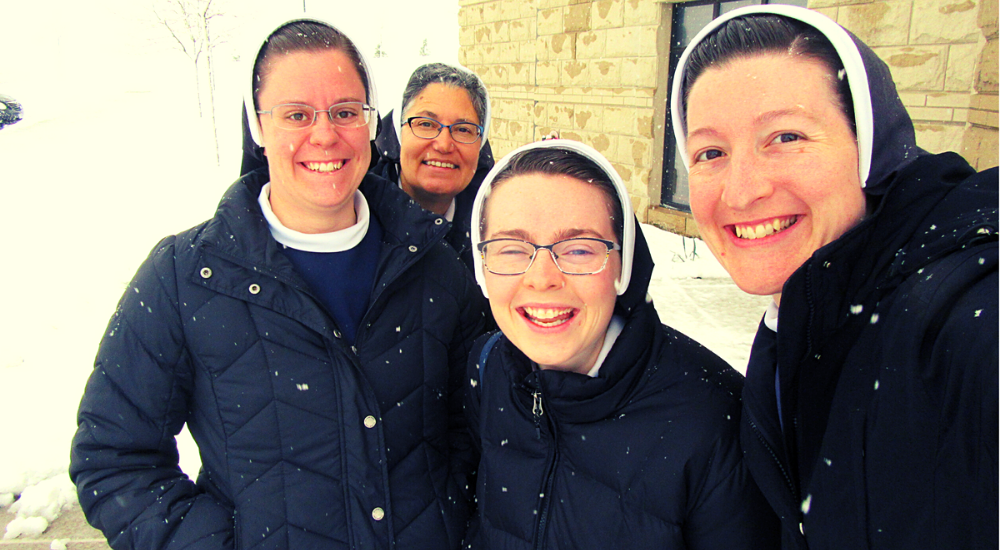
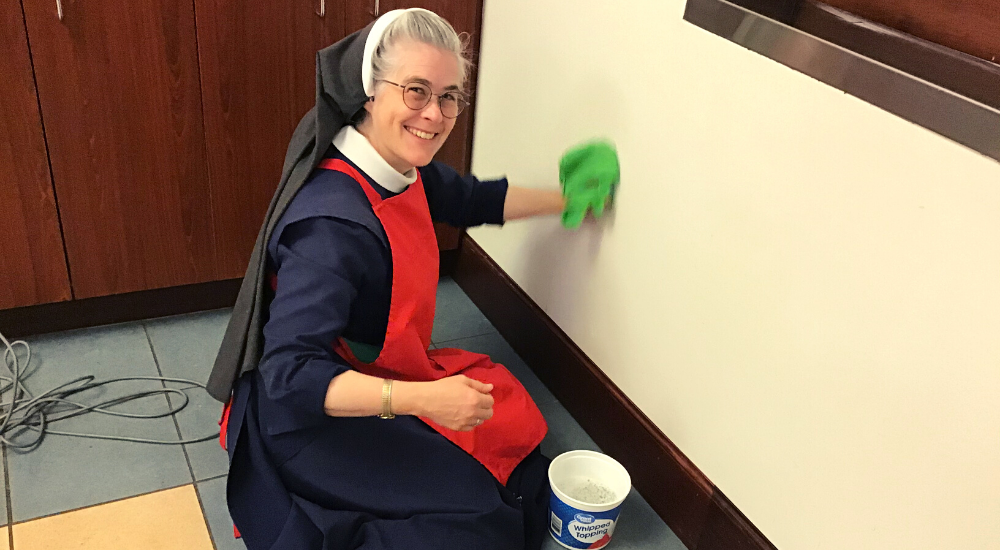
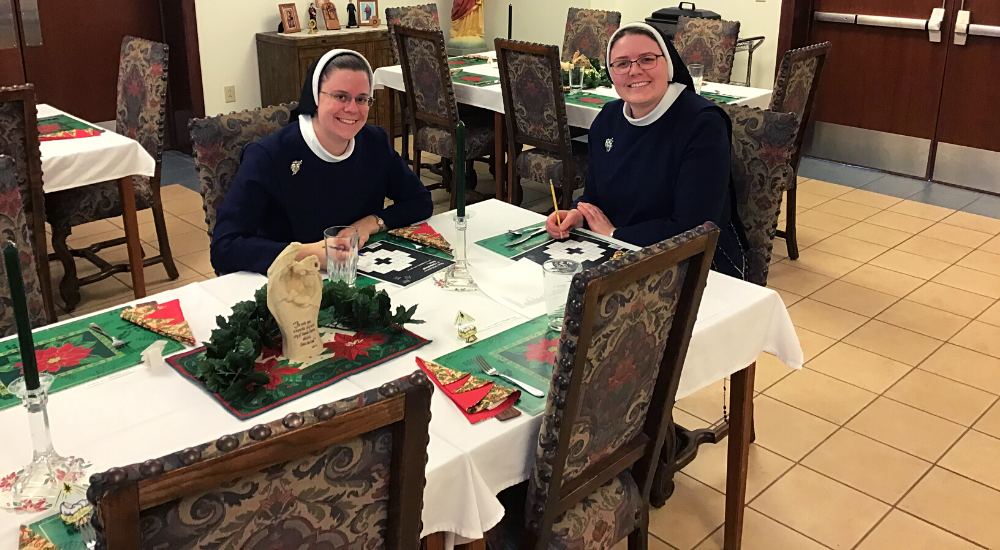
A second element of community life is the visible dimension, which entails sharing prayer, work, meals, and leisure. In addition, the members of the community have a common spirit and cooperate in the same apostolate. They form relationships of friendship and offer mutual support so as to better follow Christ along the path of holiness. With the foundation of the Love of Christ in the context of community life, the Sister lives her vocation and is a vital part of this religious family.
A Day in the Life
4:30 A.M. |
Rise to the bell and the following aspiration: “May Mary’s Heart Immaculate, Be Forever Praised!” |
5:00 A.M. |
Mental Prayer in our bedrooms |
5:30 A.M. |
Morning Prayer of the Liturgy of the Hours communally in the Chapel |
6:00 A.M. |
Mass in our Chapel |
6:30 A.M. |
Communal prayers |
7:00 A.M. |
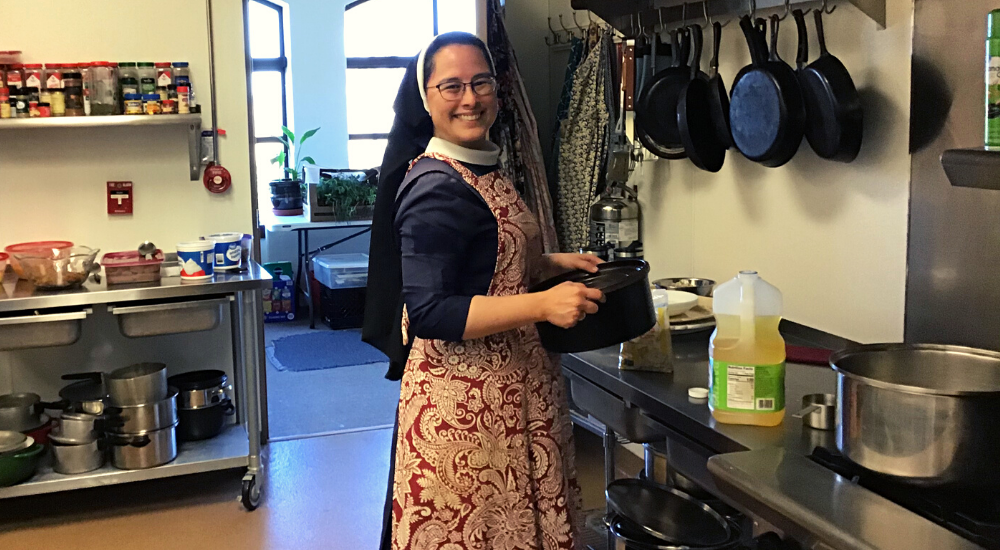
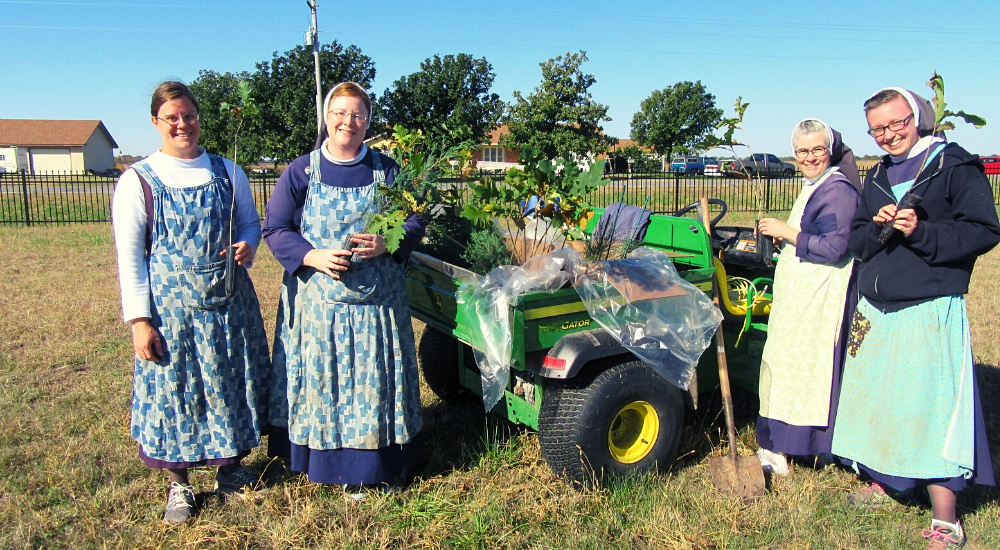
Breakfast After breakfast, the teaching Sisters go to school. The Novitiate stays home to continue formation. Postulants and novices take classes during the day in the areas of prayer, Sacred Scripture, Catholic Doctrine, Church History, Philosophy, Vatican II documents, Church documents on Consecrated Life. Once a young woman becomes a novice, she begins to study the IHM Constitutions and the religious vows of chastity, poverty and obedience. The day also consists of prayer and continued discernment, work around the convent grounds, and basic human formation lessons in community customs, sewing, cooking and cleaning. |
12:00 P.M. |
Midday Prayer in the Chapel (prayed by the Novitiate) |
12:15 P.M. |
Lunch |
4:00 P.M. |
The teaching Sisters arrive home from school and usually make their holy hour. |
5:00 P.M. |
Evening Prayer communally in the chapel |
5:30 P.M. |
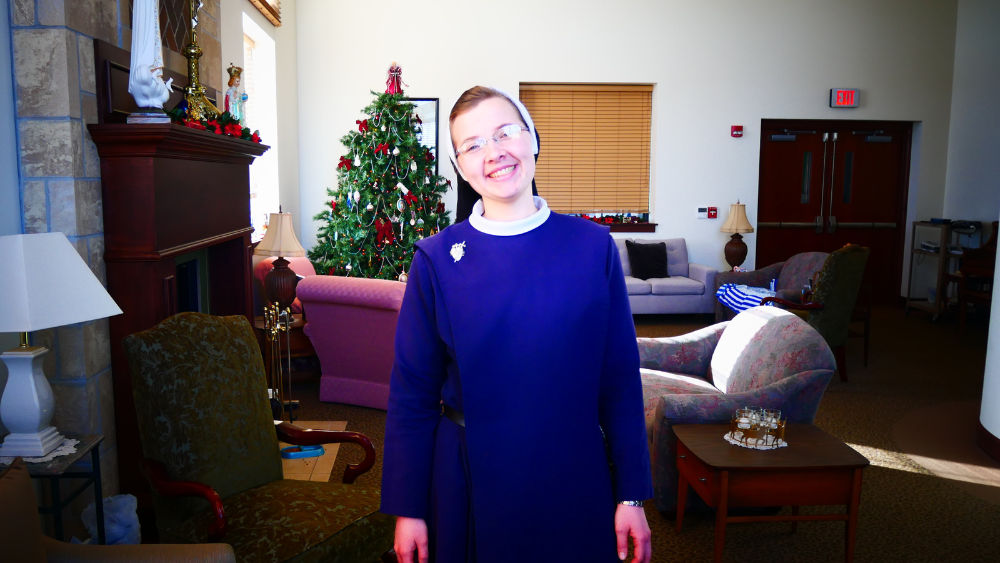
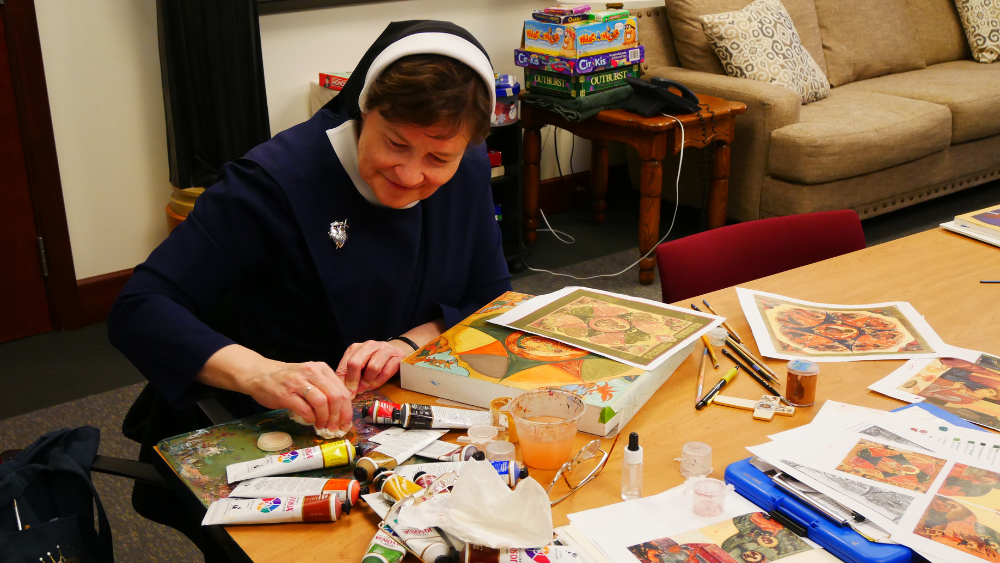
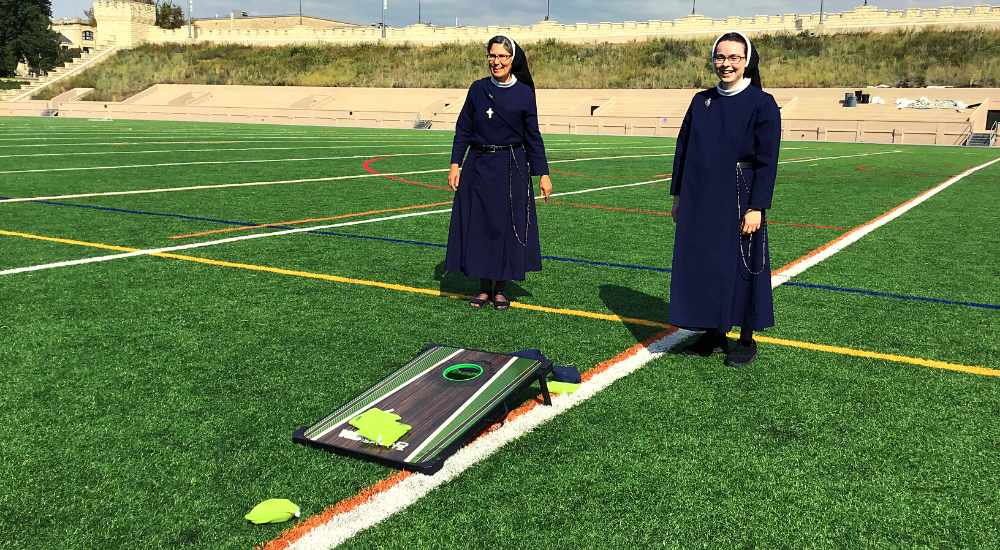
Dinner followed by communal recreation (games, projects, time together) |
7:10 P.M. |
Share points as a community (Each day the Sisters prepare points of reflection for the next day’s Mass readings, using various Bible commentaries. This daily study helps to nourish each Sister’s mental prayer). |
7:30 P.M. |
Night Prayer communally in the chapel Grand Silence throughout the convent. This is a time to do spiritual reading, pray, work on lesson plans, or grade. |
9:30 P.M. |
Lights out. Good night! |
- 1
- 2
- 3
- 4
- 5
- 6
- 7
- 8
- 9
- 10
- 11
- 12
- 13
- 14
- 15
- 16
- 17
The Habit
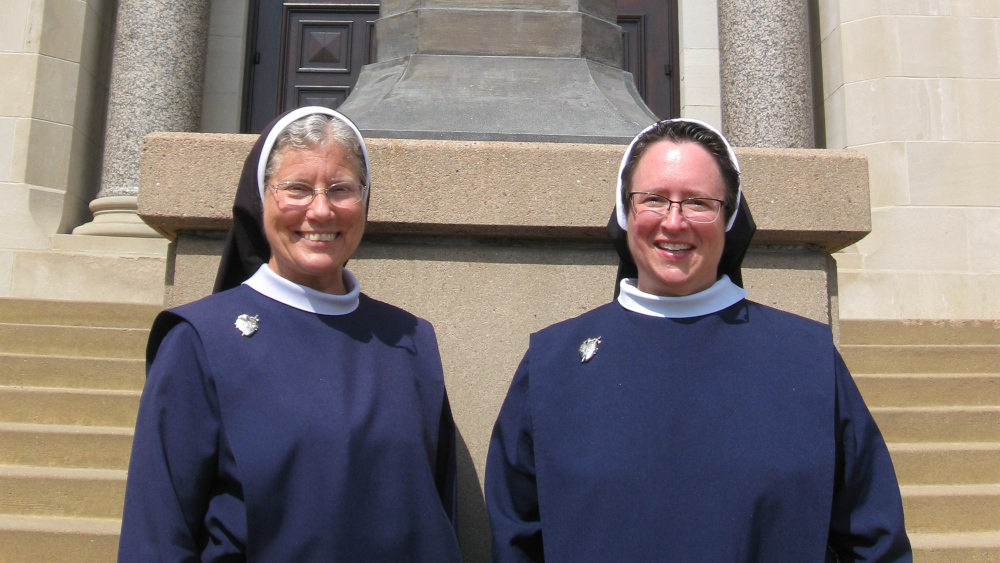
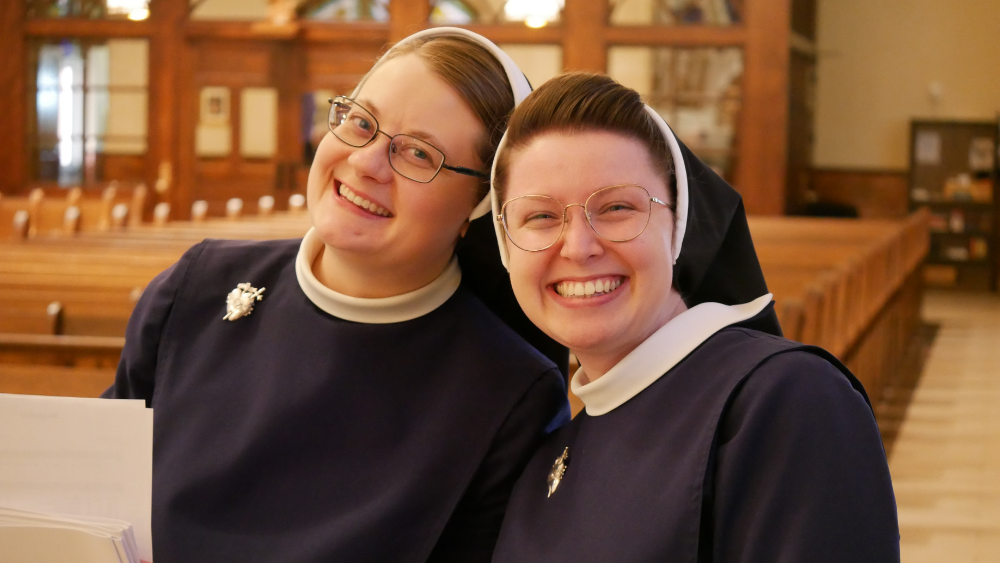
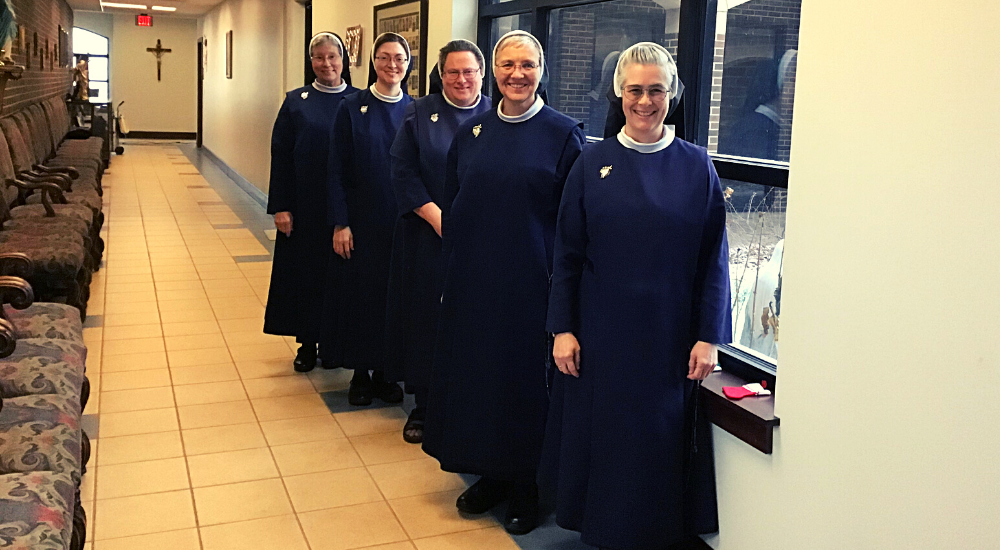
The religious habit of the Sisters of the Immaculate Heart of Mary of Wichita consists of a navy blue dress with a matching scapular, a silver badge representing the Immaculate and Sorrowful Heart of the Blessed Virgin Mary, a black cincture, the Rosary of the Seven Sorrows, a black veil, and for a Sister in perpetual vows, a simple white gold ring worn on her right ring finger.
-
+
-
Click here to read more about the habit of the Sisters of the Immaculate Heart of Mary. +
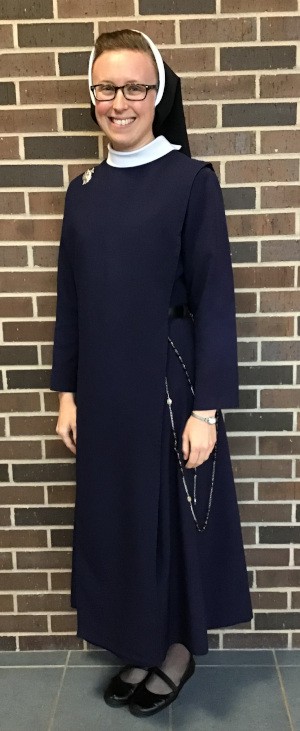 Blue was chosen as the color of the Sisters’ habit in honor of Our Lady, navy to remind us of her sorrows. For the same reason, the Sisters wear the Rosary of the Seven Sorrows. Thus, the sorrows of our Lady, which are the mysteries of our redemption, are called to mind and pondered daily. The black cincture serves as a constant reminder of the Sisters’ vows: the Sisters bind themselves to Christ in chastity, poverty and obedience. The scapular is traditionally known as Mary’s garment and is a physical representation and indication of her maternal care for us.
 Pinned to the right shoulder of the scapular is the emblem of Mary’s heart encircled by three roses, pierced by a sword and crowned with flames. The flames symbolize Mary’s charity; her heart is on fire with love for God and his children. The roses on her Immaculate Heart represent her three primary virtues: humility, obedience and purity. The sword prophesied by Simeon, “and your own heart a sword shall pierce” (Lk 2:35), reminds us of her seven sorrows, the mysteries of our redemption, the cause of our joy.
At the time of profession the novice’s white veil, which indicates her “new-ness,” is exchanged for the black veil of the professed Sister signifying her consecration as a Bride of Christ.
When the Sister professes perpetual vows, she is given a wedding band to signify her perpetual spousal relationship with God. This special relationship with Him being lived out on earth, is what the saints in heaven enjoy for all eternity. This is why a consecrated religious is an eschatological sign, which points to the eternal life that all are called to live in heaven.
- 1
"Mother, may those who see me, see you."
- Ven. Teresita Quevedo

The Badge and Insignia
The image of the heart is a symbol of the whole person, one’s identity. All that is important to a person is kept in the heart. It is the seat of one’s loves, one’s desires, and one’s decisions. Using the symbol of Mary’s heart, the Sisters strive to be living images of Mary, making her visible to the world today.
-
+
-
Click here to read more about The Badge and the Insignia of the Sisters of the Immaculate Heart of Mary. +
Flames crown Mary’s heart because her heart was and is on fire with love for God and for us, her children.
The flames represent her burning charity.The roses represent Mary’s primary virtues: humility, purity, and obedience.
Humility: Mary’s intellect is unclouded by sin and she knows who she is before God. Mary is most humble. She is pure creature and she knows that all she is and has, is pure gift. Pride is our largest obstacle to loving and following Jesus. Humility is the remedy and is the foundation of the spiritual life.
Obedience: The word of Mary’s Heart is “fiat … be it done unto me according to your word.” From the first moment of her existence Mary joined her will to His. Never did she do or even desire anything apart from God’s will.
Purity: Jesus tells us, “Blessed are the pure of heart for they shall see God.” The pure of heart are those who have attuned their intellects and wills to God; their whole heart belongs to Him. Mary’s heart was all God’s, like gold with no alloy. There is no room in Mary’s heart for anything other than love.
Insignia
 The history of the Institute is portrayed in the insignia of the Sisters of the Immaculate Heart of Mary of Wichita.
The heart depicts the Sorrowful Heart of Mary, Refuge of Sinners, which illustrates a part of our charism to pray for the conversion of sinners.
The castle depicts the foundation of our community in 1848 in Spain by Fr. Joaquin Masmitja.
The grapes illustrate the establishment of houses in California in 1871.
The wheat points to the foundation in Kansas in 1976. The Wichita community became independent in 1979 and was erected as a Religious Institute of Diocesan Right in 2007.
The spirit and the works of the Sisters of the Immaculate Heart of Mary of Wichita are expressed in the following symbols.
CIRCLE/RING: Spousal relationship between God and the religious. “I am the Alpha and the Omega. I will betroth you to myself forever.” (Rev 1:18; Ho 2:19)
SHIELD: Divine protection. “Yahweh is my strength, my shield.” (Ps 28:7)
CROSS with THREE NAILS: Imitation of Christ through religious consecration by the vows of chastity, poverty and obedience. “With Christ I am nailed to the cross. It is no longer I that live, but Christ lives in me.” (Ga 2:19, 20)
PIERCED HEART: Most Pure Heart of Mary, the Woman of faith most fully expressed on Calvary. “Near the cross of Jesus stood his mother.” (Jn 19:25)
CASTLE: Contemplative life. “I saw the soul as a castle made of a single crystal-clear diamond in which there are many rooms, as in heaven there are many mansions.” (St. Teresa of Jesus, The Interior Castle I; Jn14:2)
LIGHTED LAMP: Attentiveness to the divine Bridegroom. “My Beloved is mine and I am his.” (Sg 2:16; Mt 25:10)
OPEN BOOK: Pondering God’s Word and teaching God’s people. “All scripture is the source of wisdom ... useful for teaching and training in holiness.” (2 Tim 3:15, 16)
WHEAT and GRAPES: Eucharistic center and source of unity. “He who eats my flesh and drinks my blood lives in me and I in him. Love one another as I have loved you.” (Jn 6:56; 15:12)
The presence of Mary inspires, permeates, and unifies the religious family; for Mary is the first and perfect Virgin, the spotless Bride, the humble Handmaid. In Mary, the model and Mother of the Church, the religious studies the ideal Woman. By imitation of Mary, the great Sign, the faithful religious also becomes for the pilgrim people of God a visible sign of hope of eternal life.
- 1
The sword piercing Mary’s heart calls to mind the sorrows Mary suffered and her participation in the redemption of the world. In the Gospel of Luke, we find Simeon telling Mary at the Presentation of the Lord, “And your heart a sword shall pierce.”
As Sisters of the Immaculate Heart of Mary, we try to live what this badge proclaims.
Public Witness
Pope Paul VI stated that without the concrete public witness of religious, “there would be danger that the charity which animates the entire Church would grow cold, that the salvific paradox of the Gospel would be blunted, and that the 'salt' of faith would lose its savor in a world undergoing secularization. They are lights which announce the kingdom of God with a liberty which knows no obstacles and is daily lived by thousands of sons and daughters of the Church."
Evangelica Testificatio, 3
Christ calls all Christians to be a light and to bring Him, the Light, to the world. Religious are called to fulfill this mission more specifically, radically and directly. This light-value, or witness, is stressed as the primary work or apostolate of every religious. Their voices and lives affirm with confidence and conviction: “We have seen the Lord. He is risen. We have heard His word.”
There are many ways that religious life attests forcefully to the primacy of God’s love and provides a visible and public witness to Gospel values. Wearing religious garb, living in community, and voluntarily foregoing certain standards of comfort and legitimate conveniences are just a few examples of the means by which religious strive to live out their consecration, deny themselves daily, take up their cross, and seek God with an undivided heart.
Our Convents
The Formation House of the Sisters of the Immaculate Heart of Mary is on the Motherhouse property in Colwich, KS, located just outside of Wichita. The property is over eighty acres of beautiful farmland, which enhances our contemplative way of life of prayer, silence, and study allowing us to bear fruit in our active apostolate of education.
The Sisters who live in the local convents live the same communal horarium (schedule). To learn more about our horarium see the section at the top, A Day in the Life.
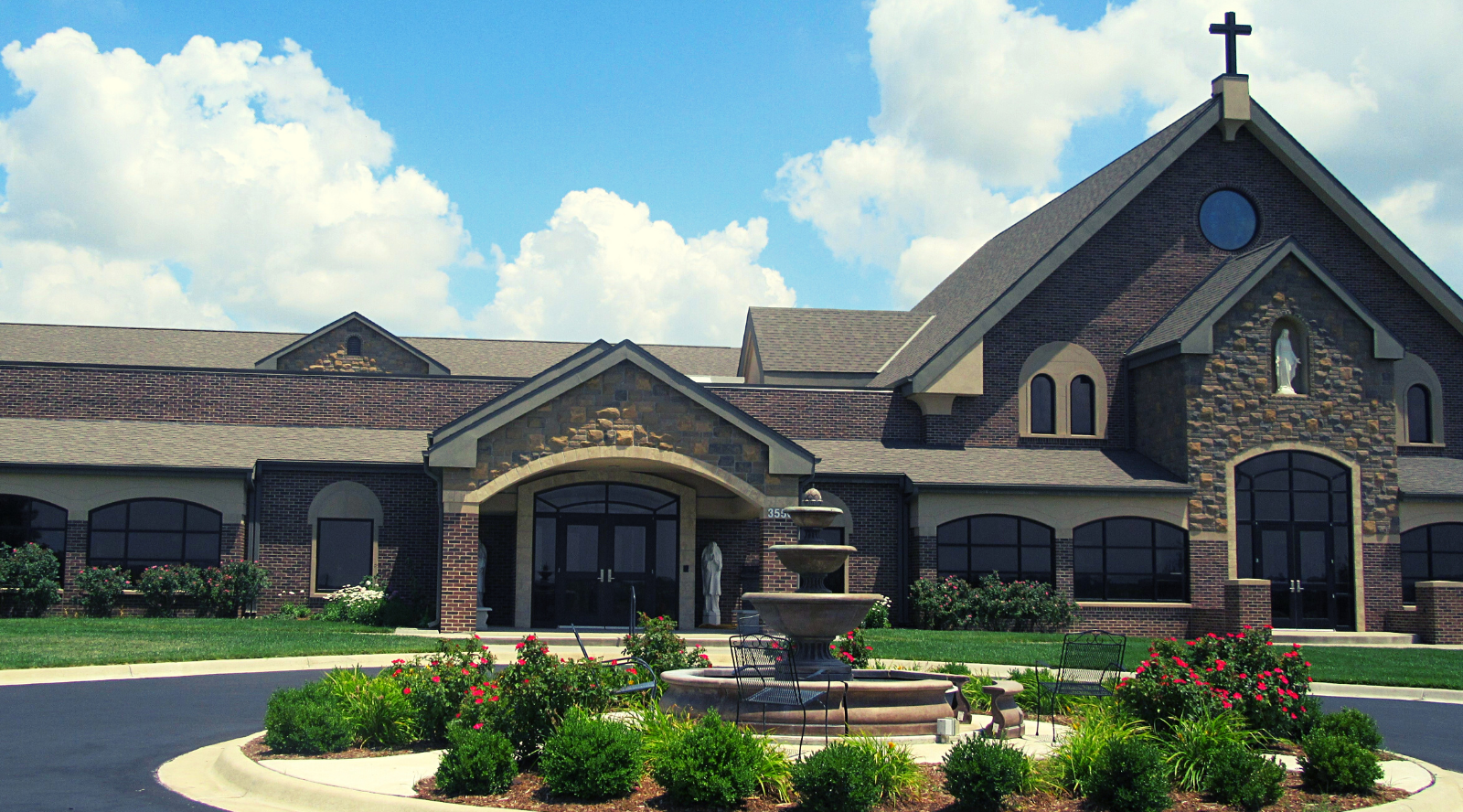
House of Formation on the Motherhouse property
Colwich, KS
-
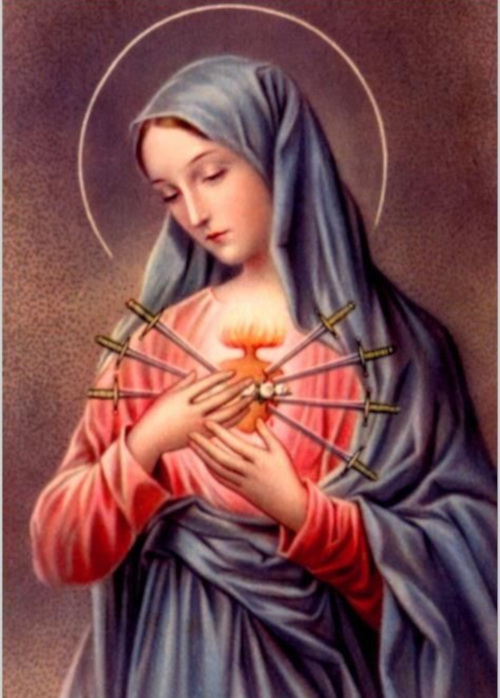
Our Lady of Sorrows Convent
Hutchinson, KS -
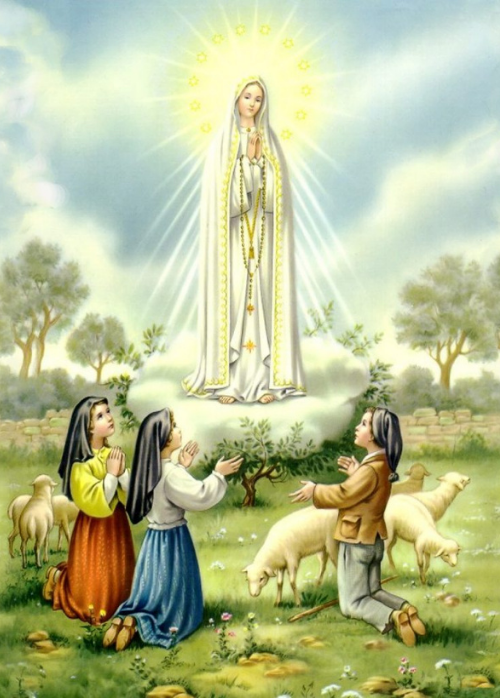
Our Lady of the Rosary Convent
Wichita, KS -
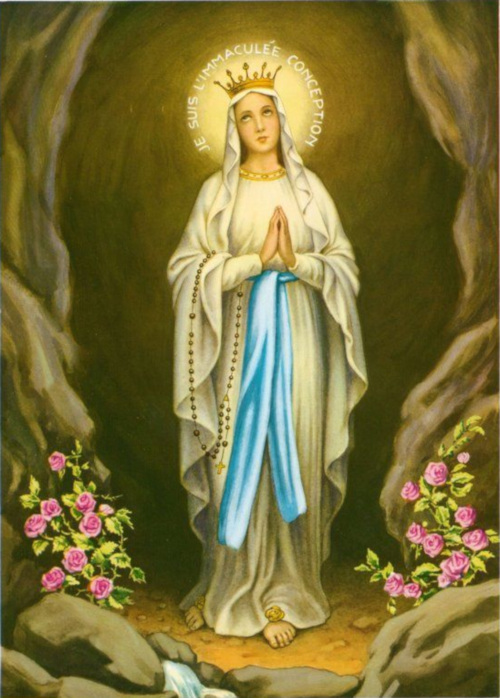
Our Lady of Lourdes Convent
Pittsburg, KS -
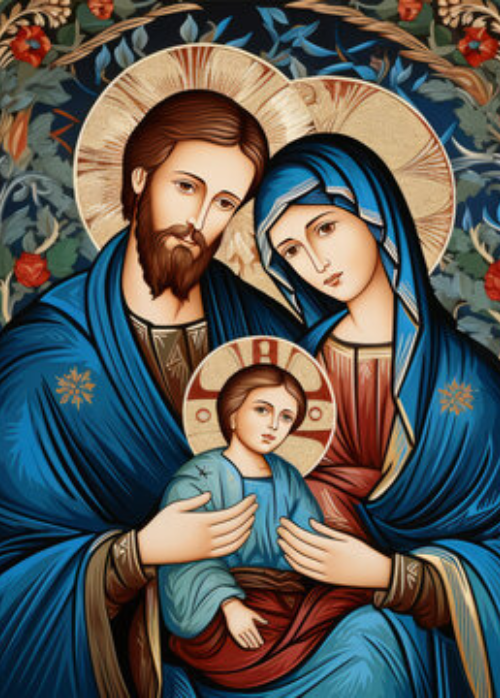
Holy Family Convent
Hays, KS
- 1